
Sometimes it is hard to find hope. The news cycle is relentless. The world seems increasingly shaped by hard men who bully, kill, and treat the planet like a giant cash machine to enrich themselves.
As a vet, this past week I—along with others—had to make the difficult decision to humanely end the life of one of the iconic ‘big beasts’ at a local zoo. Euthanasia can be a compassionate choice: ending suffering from an incurable and progressive condition. But it is never easy. As vets, we learn to detach ourselves from the emotional weight of such moments—but it’s not something we ever enjoy doing. It is hard to take life, especially that of an animal as iconic as Hugo, the male African lion at Folly Farm Zoo, who has been cared for by a dedicated team for over a decade. Even when the decision is clinically right, it brings emotions, sadness, and tears.
I’m currently enrolled in a three-day online conference of the European Zoo and Wildlife Veterinarians, which is physically taking place in Gyor, Hungary. Many of the sessions deal with colleagues working on the frontlines of the biodiversity crisis: mass die-offs of vultures caused by poisoning in Africa, Israel, and Italy; the decimation of wildlife caught in snares set by desperate rural communities; the one-sided encounters between wild animals and trains, roads, or hunters across the world. There are harrowing stories of endangered tortoises smuggled out of Madagascar. We are squeezing wildlife to death in the cold embrace of human development.
Yet, among this grim reality, there are stories of hope. Wildlife veterinarians are passionate advocates for species with no voice. The conference has shared small victories—vultures saved by timely antidotes and able to fly again; surgical and medical advances keeping animals healthy in zoos; and breeding successes that may one day lead to reintroductions into the wild. But these stories, however hopeful, feel dwarfed by the juggernaut of industrial expansion and population pressure. It all feels so one-sided, and the efforts of a few hundred committed professionals can seem insignificant in the face of such overwhelming odds.
And yet—strangely—this morning, when I woke, these words about hope filled my waking brain. I think they came from my slow wandering the night before through our emerging wildflower meadow and newly planted woodland.
Where We Find Hope
Where do we find hope
But in the broken ground of our dreams,
Where winter fields have churned to mud,
Poached and furrowed by the feet of restless sheep.
And we scatter the wildflower seeds, blown
With the ash of our beloved son, lost,
And plant the sapling trees,
To be watered by the rain of grieving tears
And blessed by the birdsong of spring.
And wait—
The long wait—
Until one year ends,
And one begins,
When our hope springs forth
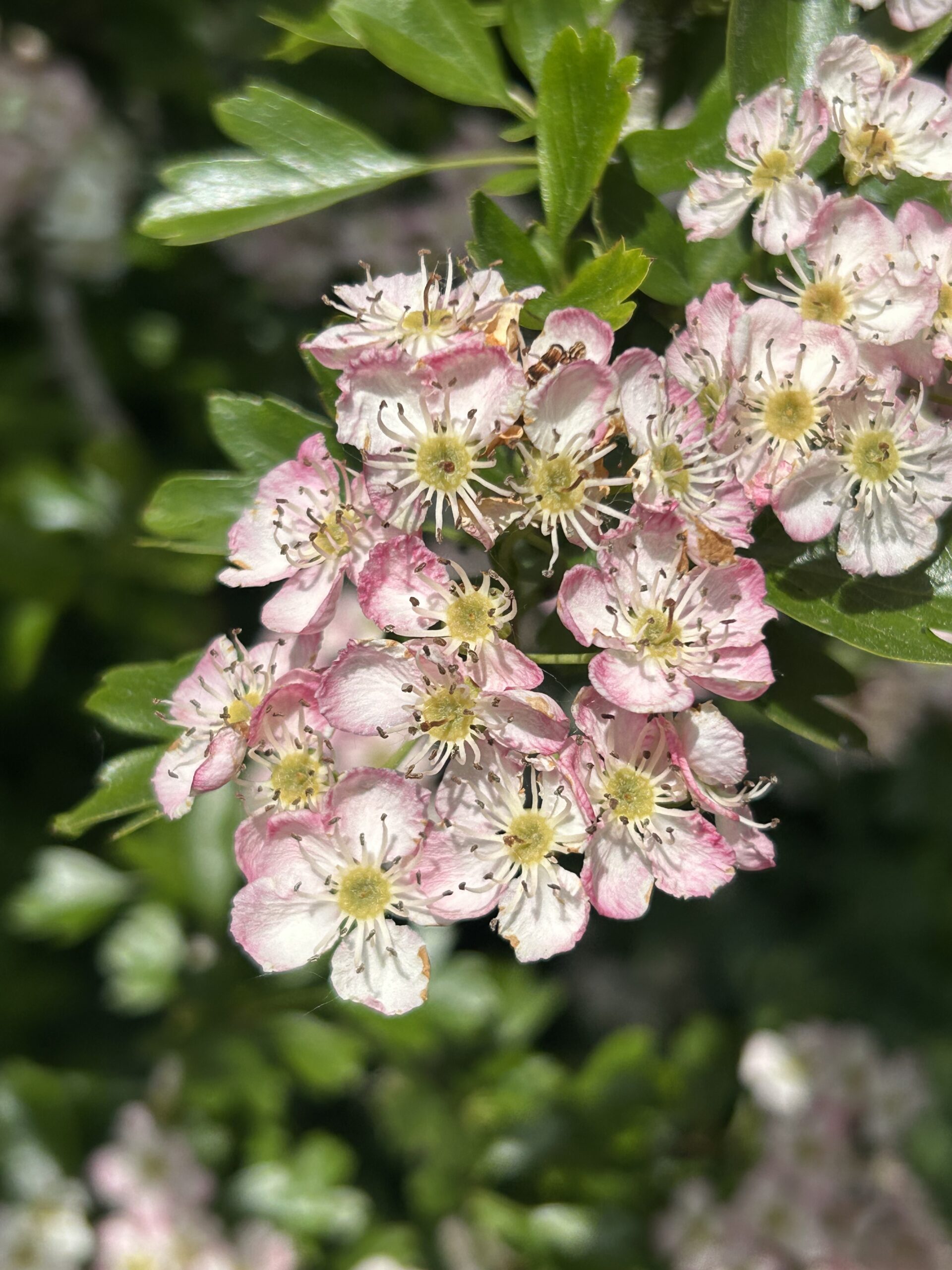
In bright yellows, pinks, and greens.
Acknowledgement:
I would like to acknowledge and thank my online assistant ChatGPT (OpenAI) for assistance in editing and refining an earlier version of the text and helping me understand the way I use language.