
In this blog we introduce some of the birds that inspired our pitch names and share their Welsh names, along with a few insights into where you might spot them while camping in Pembrokeshire. For visitors interested in wildlife in Pembrokeshire or birdwatching around the Pembrokeshire coast and countryside, these species are some of the birds you may encounter during your stay.
At Green Sheep Camping, we wanted our camping pitches to reflect the natural heritage of the place, so each pitch is named after a bird you might see or hear during your stay.
Many of these birds also have beautiful and evocative Welsh names, reflecting the deep relationship between language, landscape and wildlife in Wales.
Birds of Green Sheep Camping
During your stay you may see many different species around the campsite, from birds of prey soaring above the fields to woodland birds in the hedgerows and trees.
Here are some of the birds of Pembrokeshire that inspired the names of our pitches:
- Barn Owl (Tylluan Wen)
- Buzzard (Bwncath)
- Raven (Cigfran)
- Peregrine Falcon (Hebog Tramor)
- Blue Tit (Titw Tomos Las)
- Dunnock (Llwyd y Berllan)
- House Sparrow (Aderyn y To)
- Nuthatch (Delor y Coed)
- Great Spotted Woodpecker (Cnocell Fraith Fawr)
- Starling (Drudwen)
- Heron (Crëyr)
- Jay (Sgrech y Coed)
- Magpie (Pioden)
- Robin (Cudyll Coch)
- Goldfinch (Llinos Aur)
These birds represent just a small part of the wildlife that makes Pembrokeshire one of the most rewarding places in Wales for birdwatching and nature lovers.
The Barn Owl – Tylluan Wen
Few birds capture the magic of the countryside quite like the barn owl. Known in Welsh as Tylluan Wen – meaning “white owl” – this elegant hunter often emerges at dusk to glide silently across fields and hedgerows.
Barn owls are closely associated with traditional farmland and rough grassland, both of which remain common in parts of Pembrokeshire. If you take an evening stroll near the campsite as the sun sets, keep an eye out for that distinctive ghost-like flight.
Their presence is often considered a sign of healthy farmland ecosystems, with abundant small mammals such as voles supporting their hunting lifestyle. We have installed two barn owl boxes in one of the large farm barns. Sadly we have not yet seen owls nesting in the barns, but the new woodland areas have developed a very healthy population of voles.
As a result we frequently see barn owls hunting across the fields and occasionally “floating” down our track at night, briefly illuminated by our car headlights.
The Buzzard – Bwncath
The buzzard (Bwncath) is now one of the most familiar birds of prey in Wales. The Welsh name loosely translates as “bittern hawk”, reflecting how people once compared the bird’s call with that of the bittern.
With its broad wings and distinctive mewing call, buzzards can often be seen soaring above Valley View or perched on fence posts scanning for prey.
Buzzards were once scarce in many parts of Britain but have made a remarkable recovery in recent decades. Today they are a common sight across Pembrokeshire’s farmland and woodland edges, where they hunt small mammals, carrion and occasionally worms and invertebrates.
We also have a small platform where we leave out occasional roadkill or butcher’s offcuts, and our local pair of buzzards are usually the first visitors for a free meal. It’s not uncommon for them to watch Tom when he is mowing the pitches or cutting reeds in some of the rushy fields, waiting for a startled vole to make a mistake.

The Raven – Cigfran
The raven, known in Welsh as Cigfran, is a bird steeped in mythology and history. The name literally translates as “flesh crow”, reflecting its powerful build and scavenging habits.
Ravens are often associated with wild landscapes and coastal cliffs, and Pembrokeshire offers perfect habitat for them. If you visit the nearby coast you may hear their deep croaking call echoing across the cliffs.
In Welsh folklore and Celtic mythology, ravens are often symbols of wisdom and mystery. Seeing a pair tumbling through the sky together is one of the great wildlife spectacles of the Welsh coast.
These are our favourite birds. We have a pair nesting in woodland opposite our farm, and our favourite time of year to watch them is early spring when they are pairing up. Their distinctive “kronking” calls can often be heard alongside acrobatic flights above the woodland below our house.

The Peregrine Falcon – Hebog Tramor
The peregrine falcon (Hebog Tramor) is the fastest bird on Earth and one of the most thrilling species to encounter in Pembrokeshire.
These powerful falcons nest on coastal cliffs and occasionally inland quarries or tall structures. When hunting, peregrines can dive at astonishing speeds to catch birds in mid-air.
Pembrokeshire’s rugged coastline provides ideal nesting habitat, and keen birdwatchers may spot peregrines while exploring the coastal paths.
Last year we had the pleasure of watching the local pair that breed along the cliffs at Marros successfully fledge two youngsters. We spent some memorable evenings on the beach at low tide watching the first flights of the young birds as they explored the cliffs east of Amroth.
Falcons — and birds of prey generally — have been an important part of our lives. Tom practised falconry as a teenager, and during the time we lived in the Middle East he worked as a specialist veterinarian with falcons in dedicated falcon hospitals in Abu Dhabi and Dubai. Seeing wild peregrines flying over the campsite today always brings back memories of those experiences, while also reconnecting us to the wild landscape of Pembrokeshire.
The Blue Tit – Titw Tomos Las
Small, colourful and full of energy, the blue tit (Titw Tomos Las) is a favourite garden and woodland bird across Wales.
Its Welsh name loosely translates as “blue Tom tit”, a charming example of how descriptive Welsh bird names can be.
Blue tits are common around hedgerows, woodland edges and gardens, where they feed on insects, seeds and berries. Around the campsite they are often seen darting through trees or investigating nest boxes during spring.
Despite their size they can be surprisingly bossy and often exclude other species from bird feeders.
The Dunnock – Llwyd y Berllan
The dunnock (Llwyd y Berllan) is a small and rather modest bird that many people overlook at first glance. Its Welsh name roughly translates as “the grey one of the orchard”.
Often nicknamed the “hedge sparrow”, the dunnock is not actually related to sparrows. Instead it spends much of its time creeping along the base of hedges and vegetation searching for insects and small invertebrates.
Around Green Sheep Camping they are frequent visitors along the hedgerows that border the fields and woodland edges. Their gentle, high-pitched song is often one of the first signs of spring.
The House Sparrow – Aderyn y To
Few birds are as closely connected with human buildings as the house sparrow, known in Welsh as Aderyn y To — literally “the bird of the roof.”
These lively birds have lived alongside people for thousands of years, nesting in roofs, barns and small crevices in buildings.
At Green Sheep Camping, the all-weather barn has become home to a small colony of house sparrows. Their cheerful chatter often fills the building as they dart in and out of the rafters or gather along nearby fences.

The Nuthatch – Delor y Coed
The nuthatch (Delor y Coed) is a wonderful woodland bird known for its ability to climb down tree trunks head-first, something few other birds can do.
Its Welsh name means “the golden one of the woods.”
Nuthatches are often heard before they are seen, giving loud ringing calls as they move through mature woodland. Around the campsite they sometimes visit trees near the hedgerows, probing bark for insects or wedging seeds into cracks before hammering them open.
The Great Spotted Woodpecker – Cnocell Fraith Fawr
The great spotted woodpecker (Cnocell Fraith Fawr) is one of the most distinctive woodland birds in Britain.
The Welsh name translates roughly as “the large speckled woodpecker.”
These striking birds are often first noticed by their sharp drumming on tree trunks during the spring breeding season. The sound can carry surprisingly far through woodland.
Great spotted woodpeckers are regular visitors to mature trees and woodland edges in Pembrokeshire, feeding on insects, seeds and occasionally nuts from bird feeders.
The Starling – Drudwen
The starling (Drudwen) is one of the most remarkable birds in Britain thanks to its spectacular winter murmurations.
Although individual birds appear dark at first glance, their feathers shimmer with iridescent greens and purples in good light. During autumn and winter, starlings gather in large flocks that twist and swirl across the sky in mesmerising patterns.
In Pembrokeshire, winter evenings can sometimes bring the chance to witness these natural displays above farmland and wetlands.
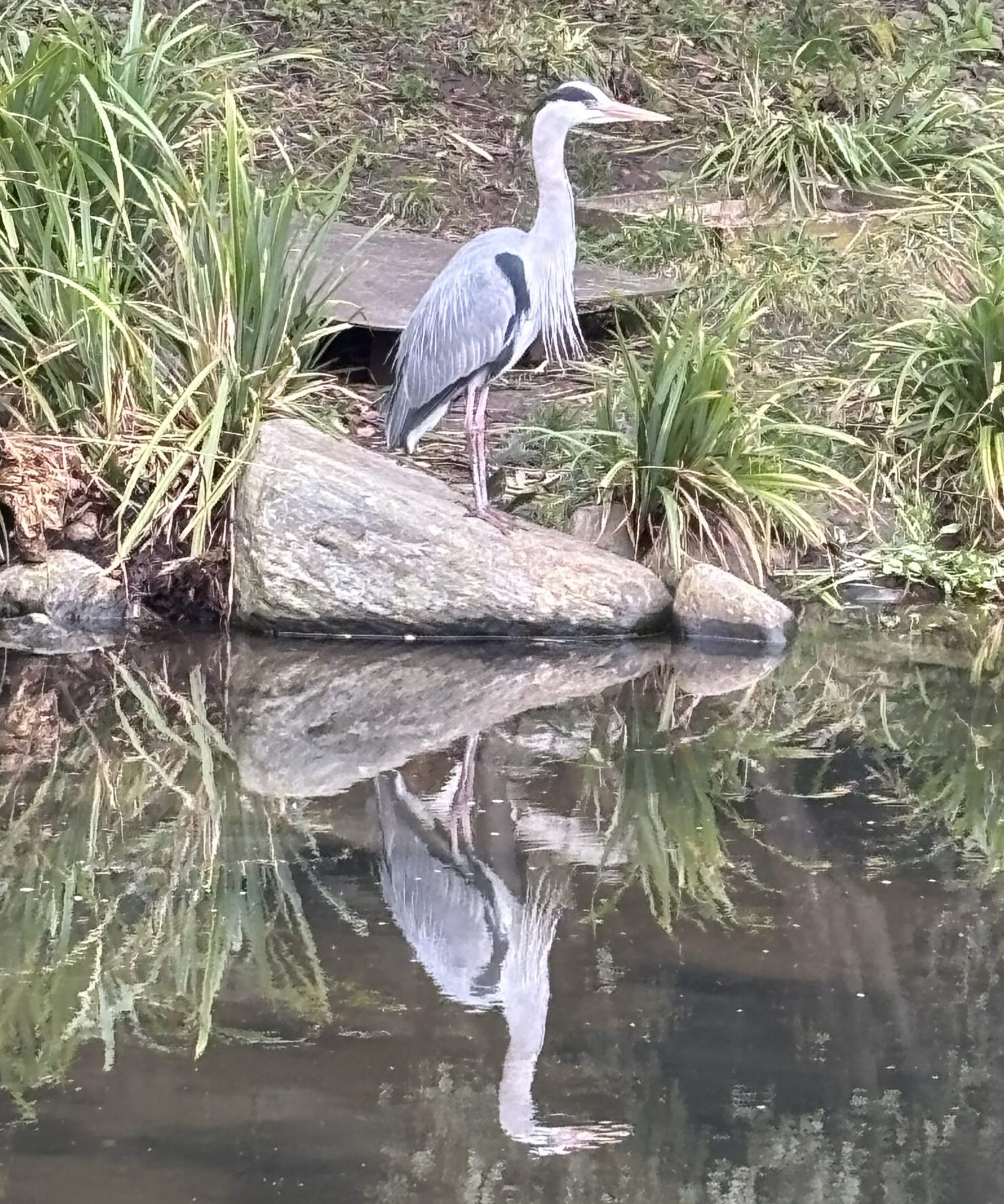
The Heron – Crëyr
The tall and elegant heron (Crëyr) is a familiar sight around rivers, estuaries and ponds across Pembrokeshire.
Standing motionless in shallow water, herons patiently wait to catch fish, amphibians and other small aquatic animals. When they take flight, their slow wingbeats and long trailing legs make them instantly recognisable.
It is not uncommon to see them hunting amphibians in the farm ponds around the campsite.
The Jay – Sgrech y Coed
The jay has one of the most evocative Welsh names: Sgrech y Coed, meaning “the scream of the woods”.
Jays are colourful members of the crow family with pinkish plumage and flashes of bright blue on their wings. They play an important ecological role by caching acorns, helping oak trees spread through woodland landscapes.
One of our local jays has become rather bold and occasionally visits the predator feeding platform once the larger birds have taken the best pickings.

The Magpie – Pioden
The striking black-and-white magpie (Pioden) is one of the most recognisable birds in the countryside.
Magpies are intelligent and adaptable birds, often seen around farmland, hedgerows and villages. It is not uncommon to see groups of up to seven birds together along our track.
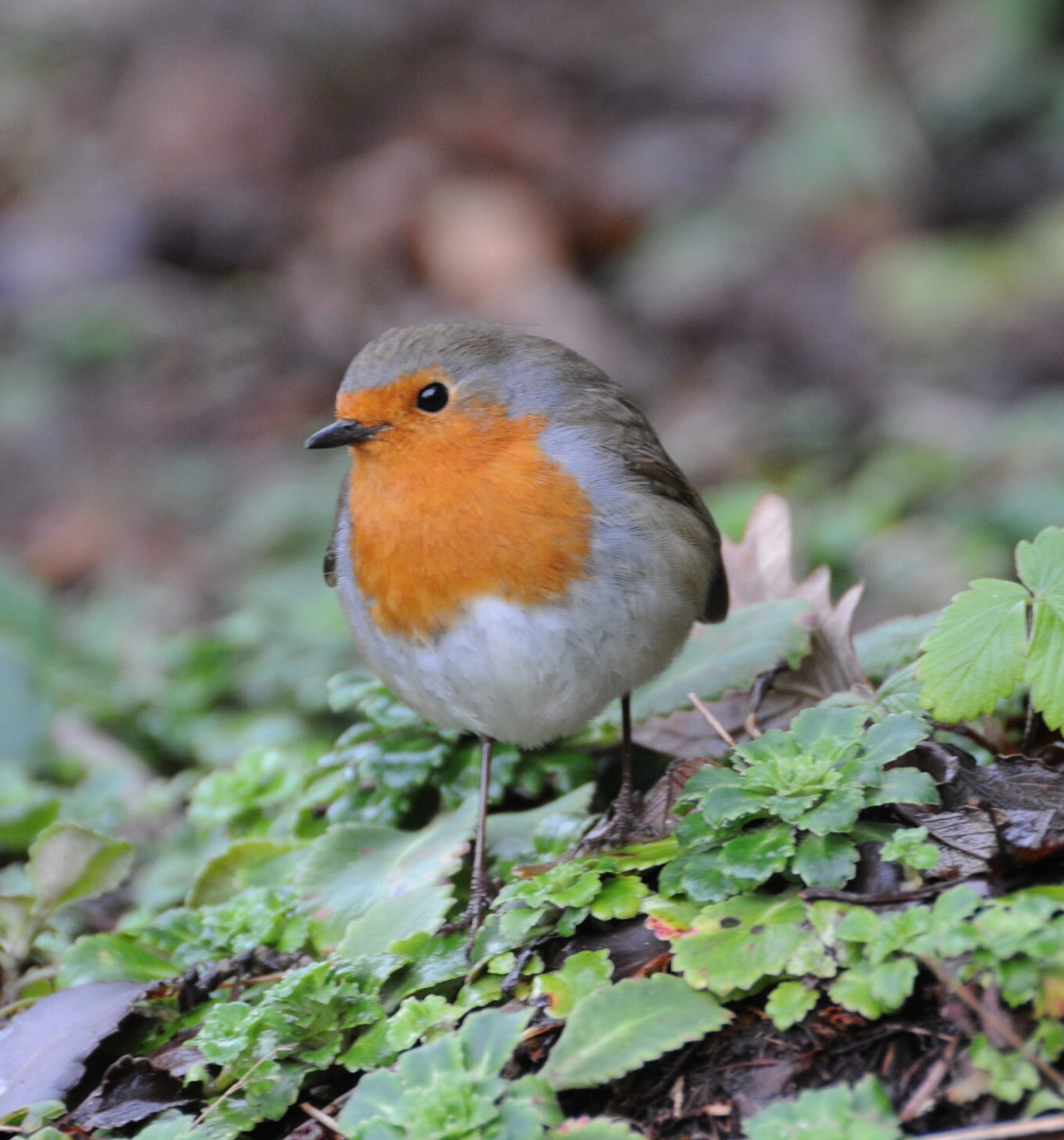
The Robin – Cudyll Coch
Few birds are as beloved as the robin, known in Welsh as Cudyll Coch — literally “little red tail”.
Robins are famously friendly and often approach gardeners and walkers with surprising confidence. Their bright red breast makes them easy to recognise even in winter.
The Goldfinch – Llinos Aur
The goldfinch (Llinos Aur) is one of the most colourful birds in the Welsh countryside. Its name translates as “golden linnet”.
One of the joys of restoring the wildflower meadows at Green Sheep Camping has been the return of flocks of goldfinches feeding on knapweed and other seed-rich plants.
Wildlife, Language and Birdwatching in Pembrokeshire
The Welsh names of birds often reflect appearance, behaviour or folklore, making them wonderfully descriptive and memorable.
Whether you are listening for the call of a buzzard overhead, watching starlings gathering in the evening sky, or spotting robins, sparrows and dunnocks along the hedgerows, birds are part of what makes camping in Pembrokeshire so special.
Pembrokeshire is one of the best places in Wales for birdwatching and wildlife experiences, from seabirds along the cliffs to farmland species in the quieter inland valleys.
Come and Stay at Green Sheep Camping
If you love wildlife, quiet countryside and the chance to reconnect with nature, Green Sheep Camping in Pembrokeshire offers a peaceful base from which to explore the surrounding landscape.
Each pitch is inspired by the birds that live around us, celebrating the wildlife and heritage that make this corner of Wales so unique.
Book your stay and experience the birds of Pembrokeshire for yourself.
👉 Visit Green Sheep Camping to learn more and plan your next nature-filled camping trip.