
When we first set up a simple wildlife camera at Green Sheep Camping back in March, we weren’t quite sure what we would capture. Since then it has revealed everything from ravens and buzzards to jays, giving us a fascinating glimpse into the everyday lives of our wild neighbours.
Most recently, however, the camera has been moved to a shelf above my barn office, where it has been quietly recording the activities of our hardworking pair of barn swallows (Hirundo rustica).
The swallows completely ignored the artificial nest cups we had carefully installed around the barn and instead built their own nest above a shelf full of nature education equipment. Better still, they chose a beam carrying a sign that simply reads “Nature Education.” You really couldn’t make it up!
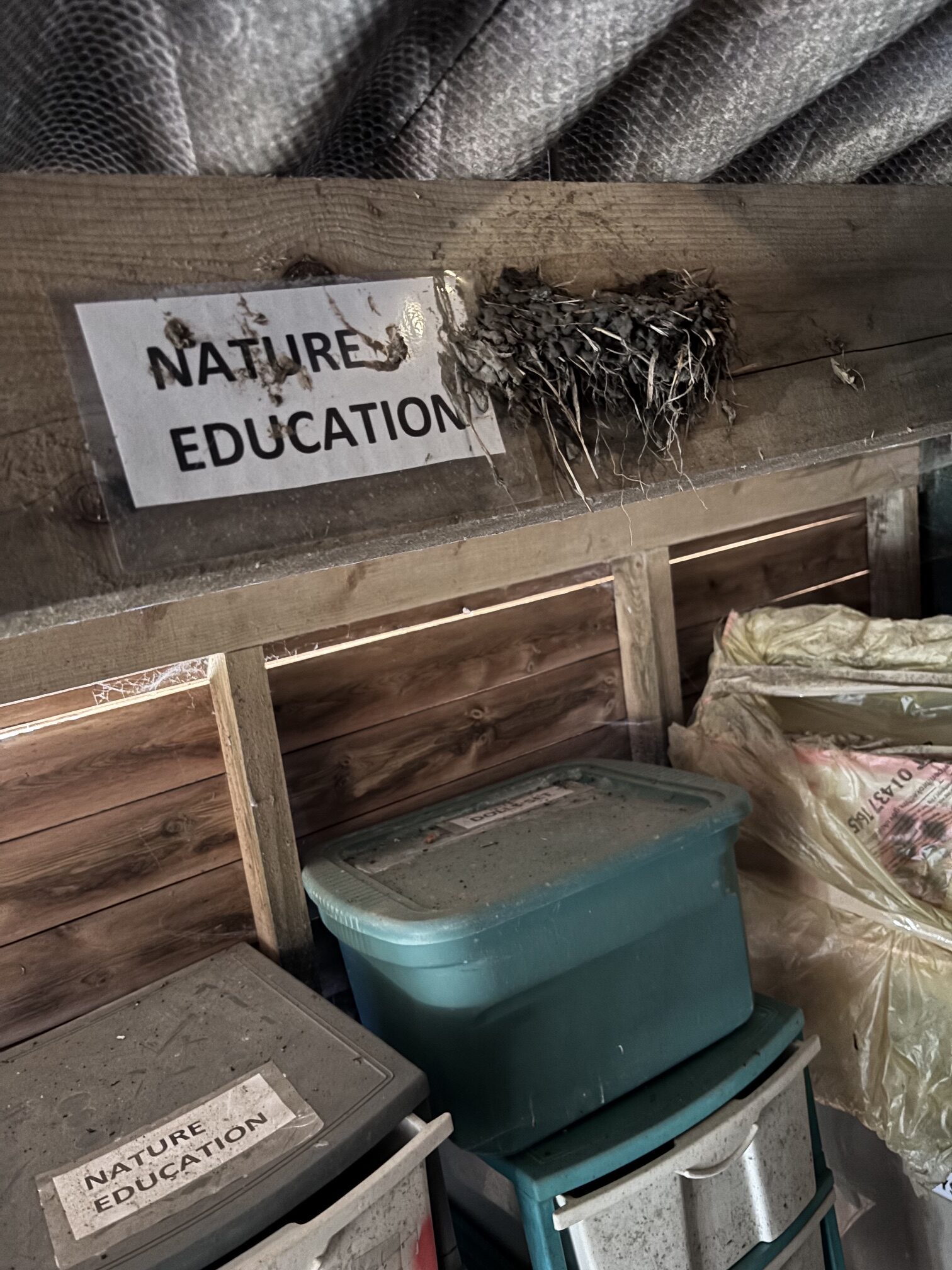
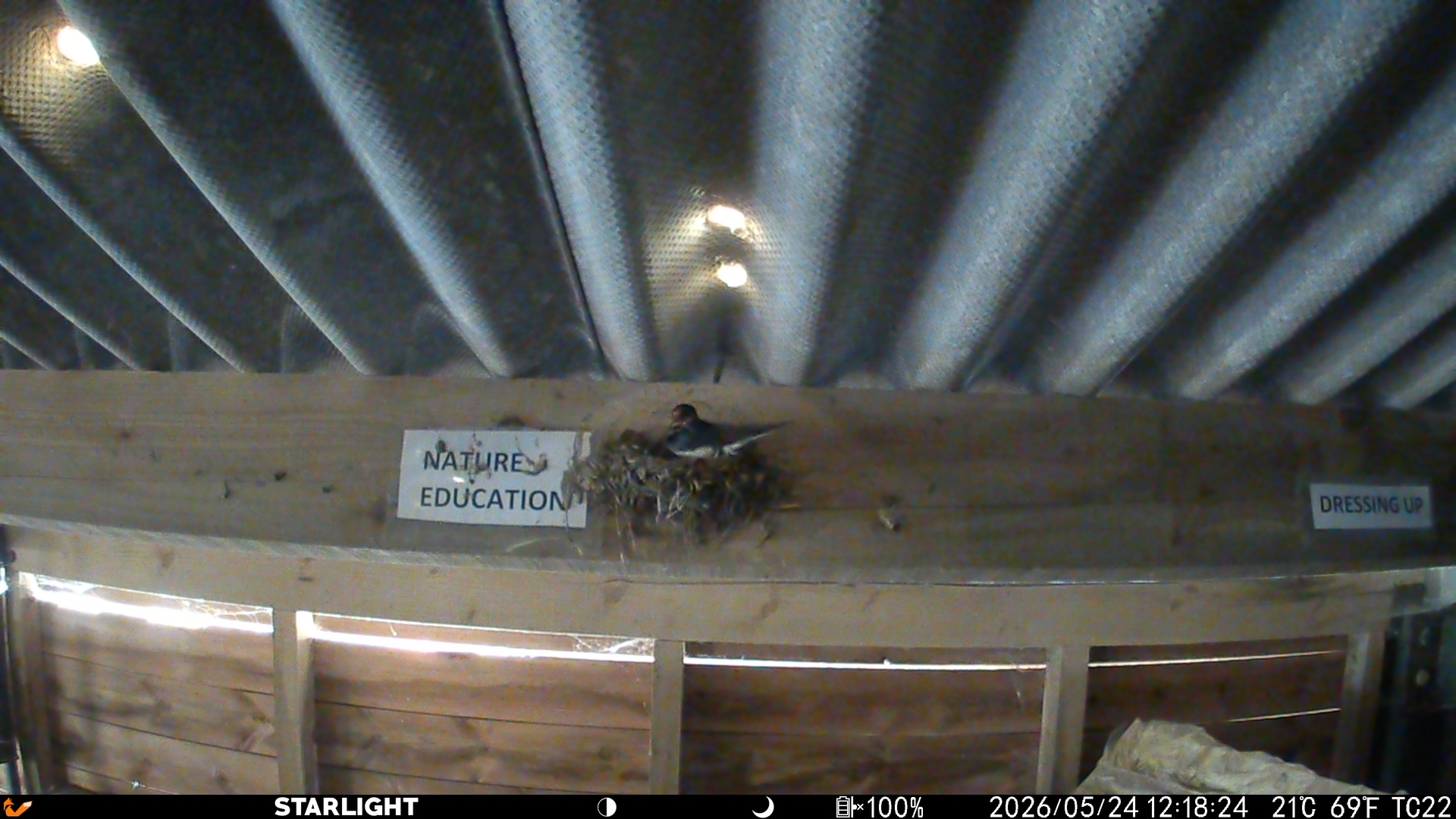
Sadly, their first brood wasn’t successful. During the hot weather in May, the chicks died in the nest, almost certainly because of the extreme temperatures beneath the barn roof. Sadly, this wasn’t an isolated event, with reports from around the UK suggesting that prolonged periods of exceptional heat are affecting breeding swallows and other nesting birds.
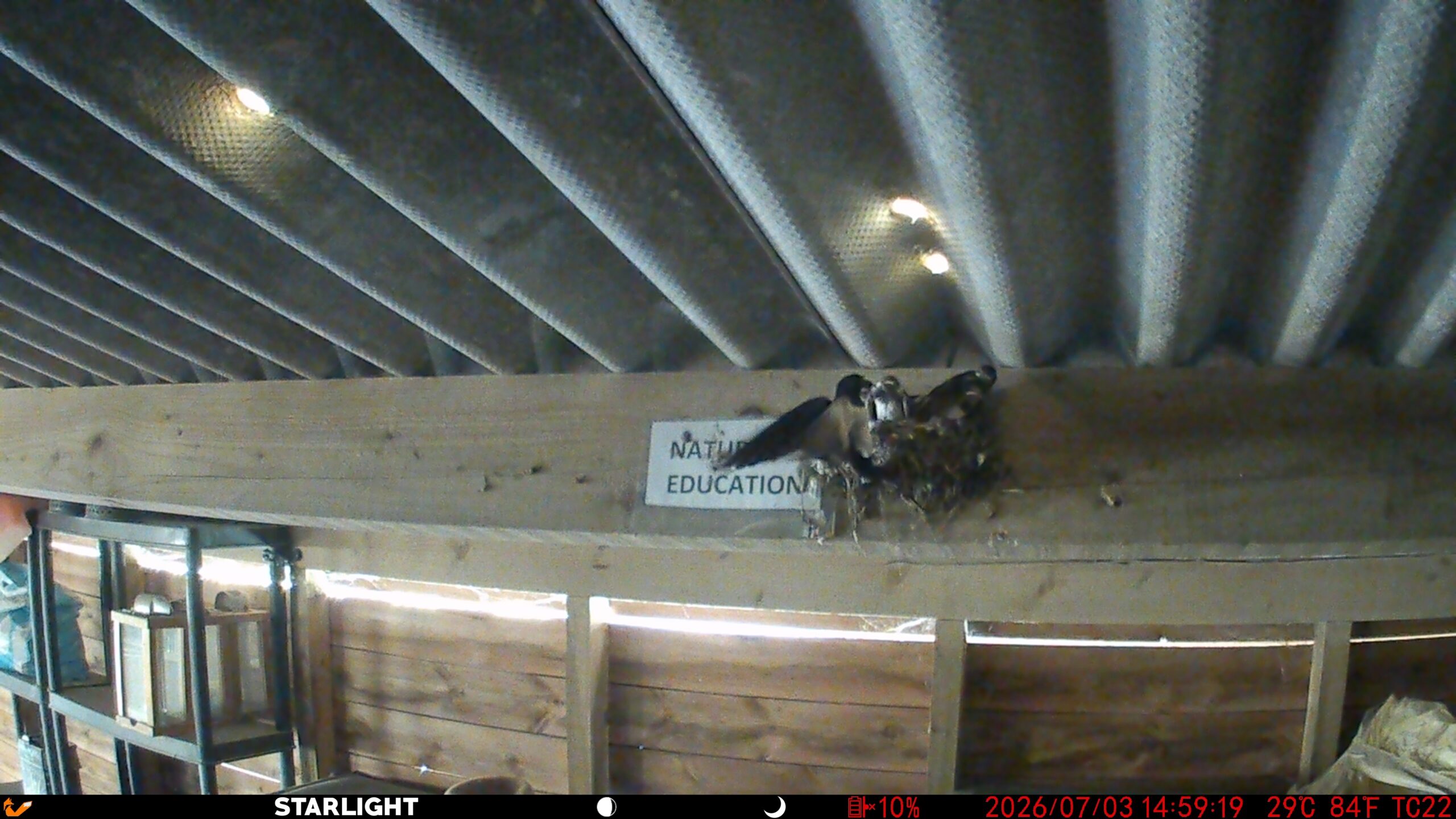
Fortunately, the pair didn’t abandon the site. They immediately began a second nesting attempt and have now successfully reared another brood.
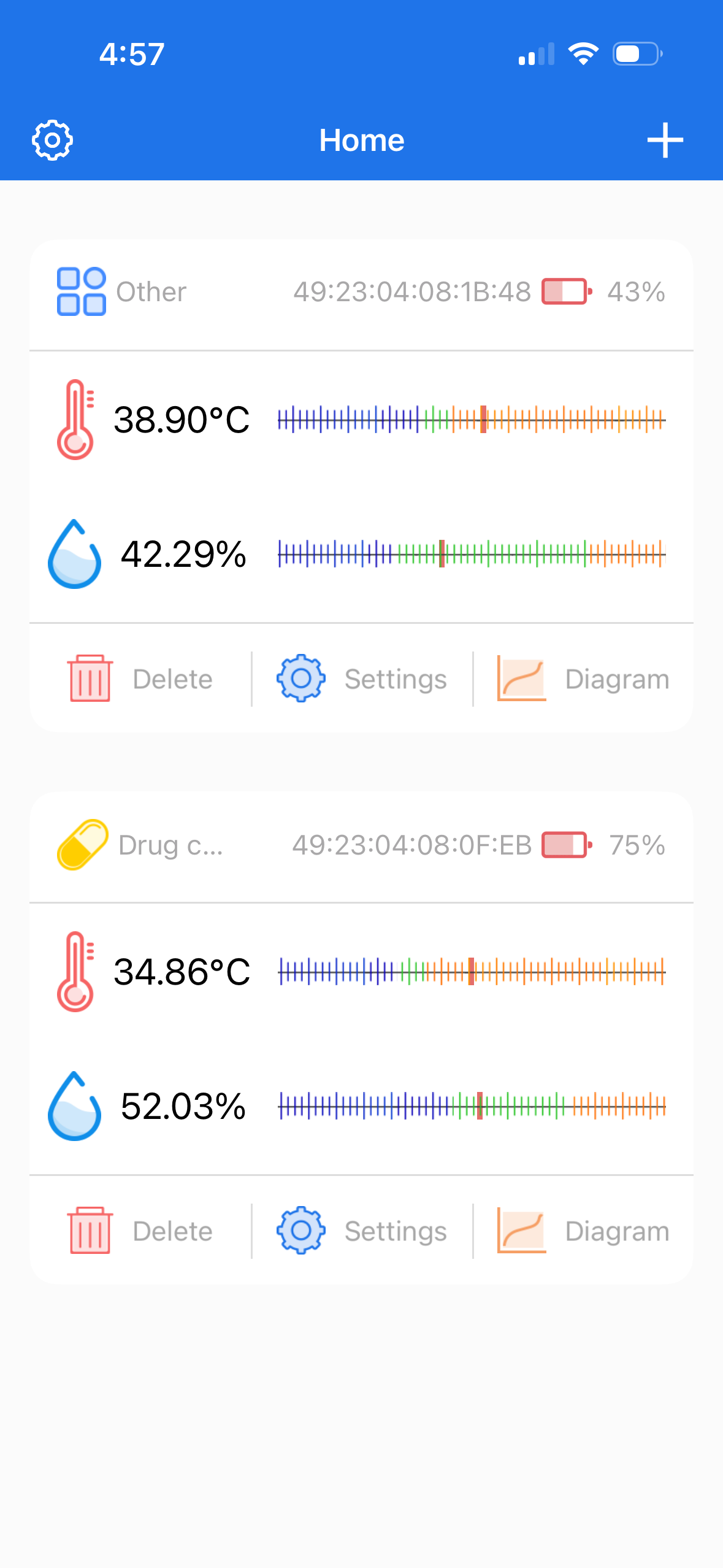
Curious to know just how hot the nest site was becoming, I placed a small temperature data logger See below) inside an unoccupied artificial nest alongside the active one during last week’s heatwave. It recorded temperatures of 34°C inside the barn, despite the outside air temperature reaching almost 39°C in direct sunshine. I even tried cooling the roof with water, although it made surprisingly little difference. Thankfully, this second brood was older, stronger and survived the hottest weather.

There is a certain irony in all this. Every spring, swallows travel almost 10,000 kilometres from sub-Saharan Africa to breed in what has historically been the cooler climate of northern Europe. Yet, as our summers become hotter and heatwaves more frequent, the very barns and outbuildings that swallows have adapted to use over centuries may occasionally become inhospitable—or even lethal—for their young. It is a small but sobering reminder that climate change doesn’t just affect distant ecosystems; it is beginning to reshape the lives of some of the birds we know best.
The UK still supports around 860,000 breeding pairs of swallows, but numbers have declined by almost half since the late 1960s. Much of this decline is thought to be linked to changes in farming: increased pesticide use, fewer grazing animals, the loss of farm ponds and the removal of hedgerows and other semi-natural habitats. Together these changes have reduced the abundance of flying insects on which swallows depend.
One of the pleasures of restoring nature on our own smallholding has been watching that trend, at least locally, begin to reverse. Since restoring species-rich wildflower meadows, creating ponds and planting young native woodland, we’ve noticed a remarkable increase in insect life. Our moth trapping alone has already recorded more than 100 species of moth, and on warm summer evenings the air above the meadows is alive with insects. It is difficult to prove cause and effect, but it is encouraging to think that the habitat improvements are helping to provide more food for swallows and many other farmland birds.
Watching the recordings has also been a wonderful reminder of just how hard swallow parents work. Both adults feed their chicks almost continuously from dawn until dusk, making 300–600 feeding visits each day and catching many thousands of insects to satisfy a hungry brood. Agricultural studies have shown that barn swallows consume significant numbers of flies, aphids, beetles, leafhoppers and other crop pests, quietly providing a valuable ecosystem service to farmers. Their chicks remain in the nest for only 20–24 days before fledging, so every daylight hour counts.
For birds that have crossed continents to reach a small Pembrokeshire barn, it is an extraordinary investment in the next generation.
If you read my previous wildlife camera blog about ravens, buzzards and jays, you’ll know that I’m becoming slightly addicted to seeing what the camera reveals next. It has become a quiet reminder that the most interesting wildlife isn’t always rare—it is often simply waiting for us to notice.
Experience Pembrokeshire’s Wildlife for Yourself
One of the joys of staying at Green Sheep Camping is that wildlife isn’t something you have to go looking for—it is simply part of everyday life. Wake to the chatter of swallows, watch buzzards soaring above the fields, listen for ravens calling across the valley, or spend an evening surrounded by bats, moths and the sounds of summer.
Our small campsite sits within a landscape that is being carefully restored for nature, with species-rich wildflower meadows, young native woodland, ponds and thriving hedgerows providing a home for an ever-growing diversity of wildlife.
If you’re looking for a peaceful camping holiday where you can reconnect with nature and experience the changing seasons of the Pembrokeshire countryside, we’d love to welcome you.
👉 Book your stay at Green Sheep Camping and experience nature at its own pace.
Further reading
If you missed the first article in this series, Caught on Camera: Ravens, Buzzards and Jays at Green Sheep Camping, you can read it here:
https://www.greensheepcamping.co.uk/journal-of-a-half-hearted-environmentalist-caught-on-camera-ravens-buzzards-and-jays-at-green-sheep-camping/